


8 Ways Mindful Play Supports Children's Emotional Wellness
When children play, they're doing so much more than having fun, they're learning about themselves and the world around them. Through mindfulness, movement, creativity, and play, children develop important social-emotional skills that support them both now and as they grow.
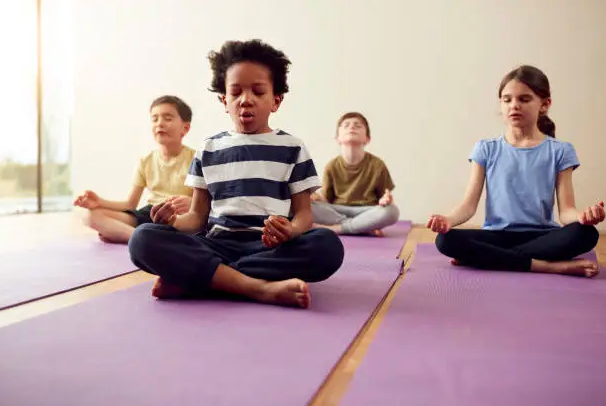
Here are eight ways Mindful Play Learning helps support children's emotional wellness:
1. Builds Emotional Awareness
Before children can manage their emotions, they first need to recognize them. Mindful Play Learning gives children opportunities to identify, express, and talk about their feelings in healthy ways through stories, movement, and play.
2. Encourages Self-Regulation
Simple mindfulness activities like breathing exercises, yoga, and calming movement help children learn how to pause, reset, and respond to big emotions. These tools can support children both in and outside the classroom.
3. Supports Confidence
Trying new activities, solving problems through play, and celebrating small successes helps children build confidence in themselves. Every mindful moment encourages them to trust their abilities and keep exploring.
4. Strengthens Connection
Whether children are working together, sharing ideas, or participating in group activities, mindful play encourages kindness, empathy, and teamwork. These shared experiences help children build stronger relationships with both peers and trusted adults.
5. Encourages Creativity
There isn't just one way to play. Storytelling, sensory experiences, movement, music, and imagination allow children to think creatively while expressing themselves in ways that feel natural and fun.
6. Develops Body Awareness
Movement is an important part of learning. Yoga, stretching, balance activities, and mindful movement help children better understand their bodies while improving coordination, focus, and confidence.
7. Creates Safe Learning Environments
Children learn best when they feel safe, supported, and included. Mindful Play Learning creates spaces where children feel comfortable sharing ideas, trying new things, making mistakes, and simply being themselves.
8. Builds Lifelong Mindfulness Skills
Mindfulness is a skill children can carry with them for years to come. Learning how to breathe through challenges, recognize emotions, and slow down in stressful moments gives them tools they can continue using throughout life.

Bringing It All Together
Emotional wellness isn't built in a single lesson, it's developed through everyday experiences that help children feel connected, capable, and understood.
Mindful Play Learning brings these experiences to life through mindfulness, movement, creativity, and play, helping children build skills they'll use both inside and outside the classroom.
Professionals trained as Mindful Play Learning Certified Facilitators help create these meaningful moments every day in classrooms, libraries, camps, wellness spaces, and community programs. If you're passionate about helping children grow through play, becoming a Certified Facilitator is a great way to make a lasting impact in your community.
Ready to make a difference? Become a Mindful Play Learning Certified Facilitator and bring mindful play to the children and families in your community!
Learn more about our Certified Facilitator course: https://www.mindfulplaylearning.com/certification

Comments