


The Benefits of Mindful Play Explained

Play is such a magical part of childhood and learning, isn’t it? It’s where imagination blooms, friendships grow, and skills develop naturally. But have you ever paused to think about how mindful play can deepen these experiences? When play is approached with intention and awareness, it becomes a powerful tool for growth and connection. Today, I want to share with you the wonderful benefits of mindful play and how it can transform the way children engage with the world around them.
Why the Benefits of Mindful Play Matter
When we talk about play, it’s easy to picture kids running around, laughing, and having fun. But mindful play is a little different. It’s about being present in the moment, noticing feelings, thoughts, and surroundings while playing. This gentle awareness helps children develop emotional intelligence, focus, and creativity.
Imagine a child building a tower with blocks. Instead of rushing to finish, they pause to feel the texture of each block, notice how they balance, and think about what comes next. This kind of play nurtures patience and problem-solving skills. It’s not just about the end result but the journey of discovery.
The benefits of mindful play extend beyond just the child. It creates a calm, nurturing environment where adults and children can connect deeply. Teachers, parents, and caregivers can guide play with warmth and intention, helping children feel safe and supported.
Here are some key benefits you might notice:
Improved focus and attention
Greater emotional regulation
Enhanced creativity and imagination
Stronger social skills and empathy
Reduced stress and anxiety

How Mindful Play Supports Emotional and Social Growth
One of the most beautiful things about mindful play is how it supports emotional and social development. When children are encouraged to be present and aware during play, they learn to recognize their feelings and those of others. This awareness is the foundation of empathy.
For example, during a group activity, a child might notice a friend feeling left out. With mindful guidance, they can pause, reflect, and choose to include that friend. This simple act builds kindness and cooperation.
Mindful play also helps children manage big emotions. When a child feels frustrated or upset, mindful play encourages them to take a breath, notice their feelings, and find calm through play. This practice builds resilience and emotional strength.
Teachers and caregivers can foster this by:
Creating quiet, cozy play spaces
Using calming tools like soft music or sensory toys
Encouraging children to talk about their feelings during play
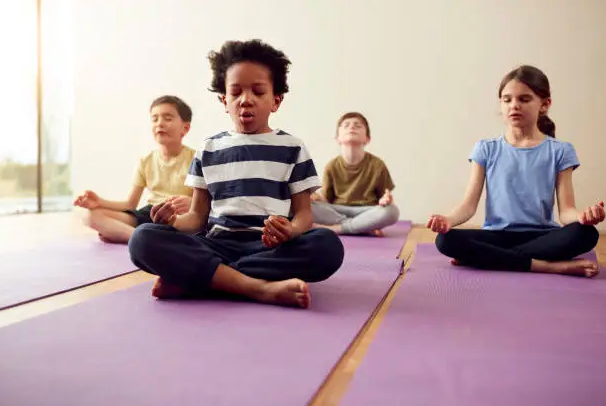
Modeling mindful breathing or gentle movements

What are the 5 essentials to meaningful play?
Meaningful play isn’t just about fun; it’s about creating experiences that truly enrich a child’s development. Here are five essentials that make play meaningful and impactful:
Safety and Comfort
Children need to feel physically and emotionally safe to explore freely. A welcoming environment with trusted adults sets the stage for meaningful play.
Choice and Autonomy
Allowing children to choose their activities empowers them. It encourages independence and sparks genuine interest.
Engagement and Focus
Encouraging children to immerse themselves fully in play helps develop concentration and mindfulness.
Social Connection
Play that involves sharing, cooperation, and communication builds social skills and empathy.
Reflection and Awareness
Taking moments to pause and reflect during play deepens understanding and emotional growth.
By weaving these essentials into playtime, we create rich learning experiences that nurture the whole child.

Practical Tips to Bring Mindful Play into Everyday Life
You might be wondering, “How can I bring mindful play into my daily routine?” The good news is, it’s easier than you think! Here are some simple, practical ways to encourage mindful play whether you’re at home, in a classroom, or running an indoor playground:
Start with a calm moment: Before play begins, take a few deep breaths together. Invite children to notice how they feel.
Use open-ended toys: Items like blocks, art supplies, and natural materials encourage creativity and exploration.
Ask thoughtful questions: Instead of directing play, ask “What do you notice?” or “How does that feel?” to spark awareness.
Create sensory experiences: Incorporate textures, sounds, and smells to engage the senses fully.
Encourage storytelling: Let children narrate their play, helping them connect thoughts and feelings.
Set gentle limits: Guide play with kindness, helping children navigate challenges without pressure.
Remember, the goal is not perfection but presence. Celebrate small moments of mindfulness and curiosity!
Why Mindful Play Learning is a Game-Changer
If you’re passionate about nurturing social-emotional growth and creativity, you’ll love what mindful play offers. This unique approach blends play-based mindfulness with early learning, creating programs that truly support children’s development.
By certifying sites and offering engaging enrichment programs, Mindful Play Learning is expanding its reach to more early learners. Their methodology helps children build essential life skills in a joyful, supportive way.
Whether you’re a teacher looking to enrich your classroom, a parent wanting to deepen your child’s play, or an indoor playground seeking meaningful programming, this approach offers valuable tools and inspiration.
Together, we can create spaces where children thrive emotionally, socially, and creatively through the power of mindful play.
I hope this journey into the benefits of mindful play has inspired you to embrace play with a little more intention and heart. Remember, every moment of play is a chance to grow, connect, and discover. Let’s make those moments count!

Comments