


Mindful Play: Transforming Educational Approaches with the Benefits of Mindful Play

Updated: 6 days ago
When I first discovered the concept of mindful play, it felt like a breath of fresh air in the world of education. Imagine a space where children are not just playing but are fully present, engaged, and learning with intention. This approach gently shifts how we think about play in learning environments, making it a powerful tool for growth. Let’s explore how mindful play is transforming educational approaches and why it’s becoming essential for early learners.
What Is Mindful Play and Why It Matters
Mindful play is more than just fun and games. It’s about encouraging children to be aware of their thoughts, feelings, and surroundings while they play. This awareness helps them develop emotional regulation, focus, and creativity. When children engage in mindful play, they learn to slow down, notice details, and connect deeply with their experiences.
For example, instead of rushing through a puzzle, a child practicing mindful play might notice the shapes, colors, and how pieces fit together. This simple shift nurtures patience and problem-solving skills. It’s a beautiful way to blend learning with joy.
The Benefits of Mindful Play in Early Learning
The benefits of mindful play are truly remarkable. It supports social-emotional growth, cognitive development, and creativity. Here are some key advantages:
Improved Focus and Attention: Mindful play helps children concentrate better by training their minds to stay present.
Emotional Regulation: Kids learn to recognize and manage their emotions, reducing frustration and anxiety.
Enhanced Creativity: Being mindful opens up space for imagination and original thinking.
Better Social Skills: Playing mindfully encourages empathy, cooperation, and communication.
Stress Reduction: It creates a calming effect, helping children feel safe and relaxed.
In classrooms and indoor playgrounds, these benefits translate into happier, more engaged learners who are ready to explore and grow.

How to Incorporate Mindful Play in Educational Settings
Bringing mindful play into educational spaces doesn’t require a complete overhaul. Small, intentional changes can make a big difference. Here are some practical ways to get started:
Create Calm Corners: Designate quiet areas with soft cushions, sensory toys, and calming visuals where children can pause and reflect.
Use Guided Play Prompts: Encourage children to notice textures, sounds, or movements during play. For example, “Can you feel the softness of this fabric?” or “What sound does this toy make?”
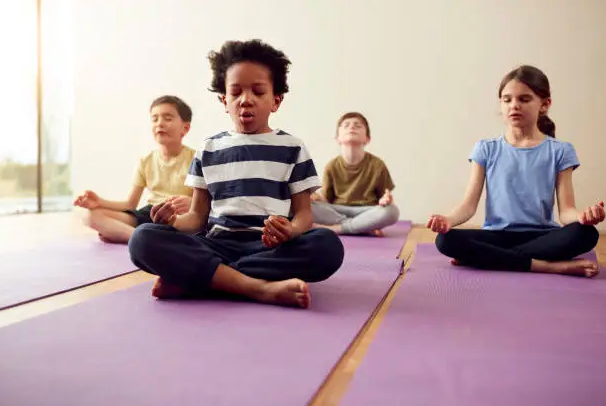
Incorporate Breathing Exercises: Begin or end play sessions with simple breathing techniques to help children center themselves.
Encourage Storytelling: Invite kids to share stories about their play experiences, fostering reflection and language skills.
Model Mindfulness: Adults can demonstrate mindful behavior by being present, listening actively, and showing curiosity.
These steps help create an environment where mindful play naturally flourishes, supporting both educators and learners.
Mindful Play Learning’s Unique Approach to Enrichment Programs
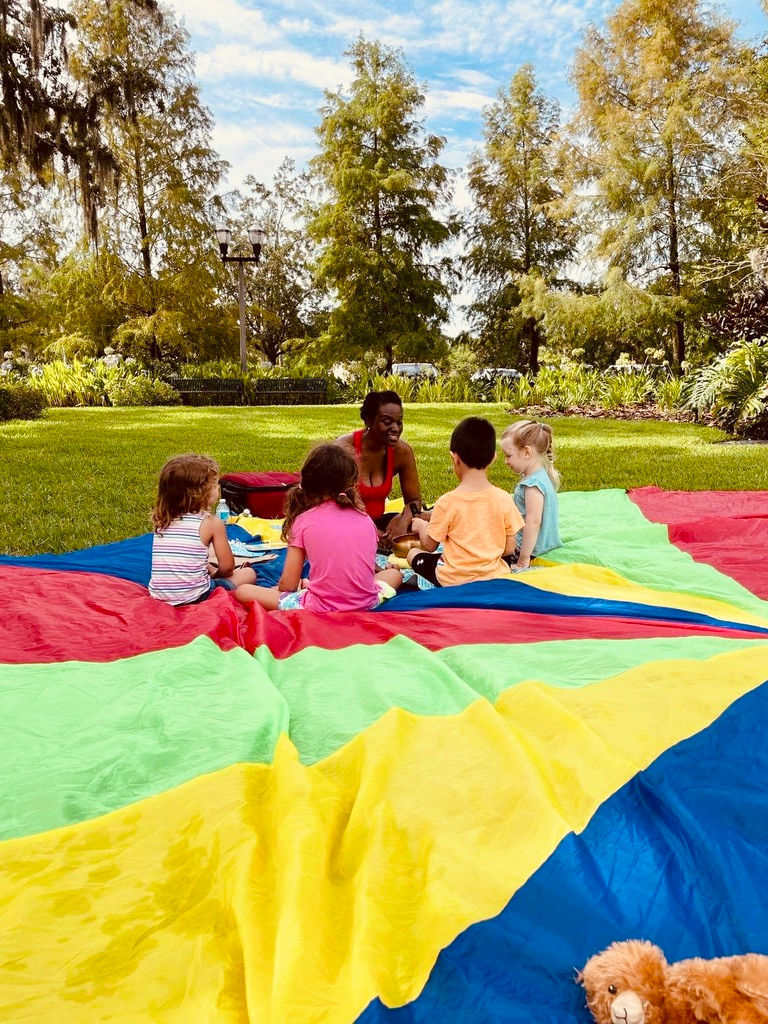
One of the most exciting developments in this field is how organizations like Mindful Play Learning are expanding access to play-based mindfulness. Their unique methodology combines certified site programs with engaging enrichment activities designed to foster social-emotional growth and creativity.
Their programs are thoughtfully crafted to meet the needs of early learners, blending movement, mindfulness, and play in ways that feel natural and inviting. By certifying sites, they ensure that indoor playgrounds and educational institutions can offer consistent, high-quality mindful play experiences.
This approach not only benefits children but also supports teachers and caregivers by providing tools and training to integrate mindfulness into daily routines. It’s a wonderful example of how mindful play can be scaled and shared widely.
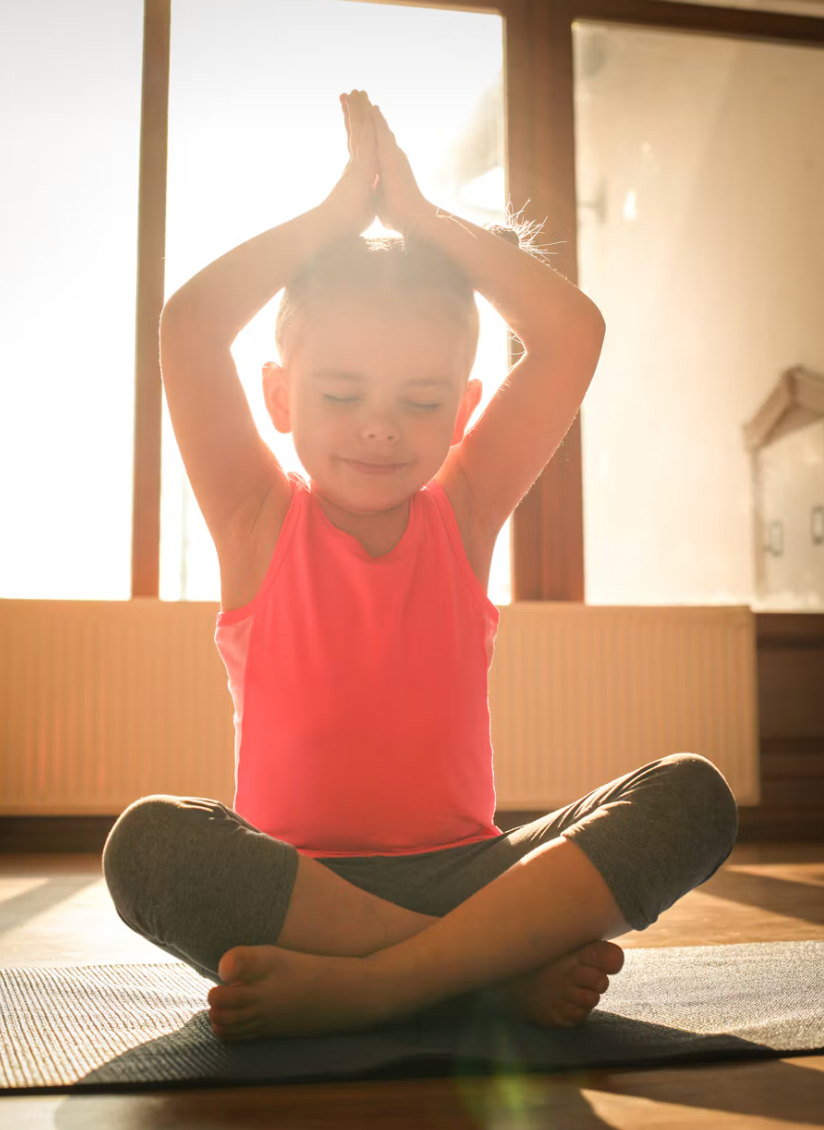
Practical Tips for Parents and Educators to Foster Mindful Play at Home and School
Whether you’re at home or in a classroom, fostering mindful play is easier than you might think. Here are some actionable tips to help you get started:
Set Intentions: Before playtime, invite children to set a simple intention like “I will notice how this feels” or “I will listen carefully.”
Limit Distractions: Create a space free from screens and loud noises to help children focus.
Use Open-Ended Toys: Choose toys that encourage creativity, such as blocks, clay, or natural materials.
Encourage Slow Play: Remind children it’s okay to take their time and explore at their own pace.
Celebrate Curiosity: Ask open-ended questions like “What do you notice?” or “How does that make you feel?”
By weaving these practices into daily routines, we nurture a love of learning that is both mindful and joyful.
Embracing a New Educational Paradigm with Mindful Play
Isn’t it wonderful to think that play can be so much more than just a break from learning? Mindful play invites us to see play as a vital part of education - one that nurtures the whole child. It’s a gentle, nurturing rhythm that supports growth in every sense.
As we embrace this new educational paradigm, we open doors to deeper connections, richer experiences, and a brighter future for early learners everywhere. Together, we can create spaces where children thrive through mindful play, building skills that last a lifetime.
Let’s keep exploring, learning, and playing mindfully - because every moment counts!

Comments